The Power of Nutrition: Simple Steps to Transform Your Health with Better Eating
Your diet has a profound effect on your energy, mood, and overall health. Simple, smart food choices can significantly improve your well-being. Are you ready to transform your life through better eating habits?
Written by

WG
Editorial Team

Reviewed By: Dr. Geetha Kamath, BAMS
Essential Tips to Boost Your Health with Smart Food Choices
Good nutrition is key to a healthy life, but it doesn’t have to be complicated. By understanding the basics and making mindful food choices, you can nourish your body and support long-term wellness.
Eating well isn’t just about calculating calories or following trends. Understanding what the human body requires is the first step. By recognizing the essentials of nutrition and understanding how your body functions, you are able to make choices that really support you. Whether you’re an occupied parent, an IT expert, or managing several responsibilities, healthy eating is essential to a balanced life.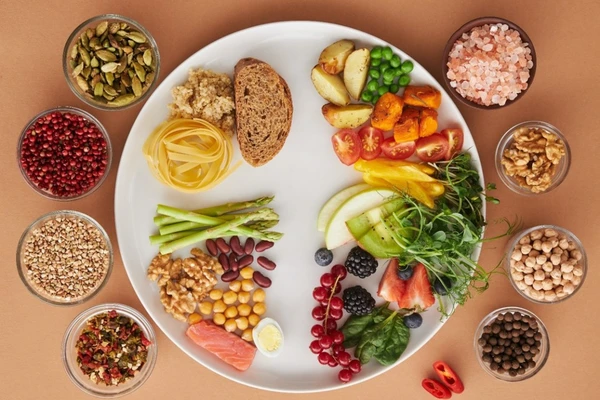
The Local Perspective on Nutrition
Environment and culture have an important impact on nutrition. Longevity-promoting places, such as the remote parts of Kerala, have long maintained healthy populations since traditional diets high in natural foods. You can cultivate dietary habits that promote long-lasting wellness by prioritizing healthy foods, staying away from junk food, and knowing your body type.
Why Does Nutrition Matters?
Good nutrition is crucial for:
Energy: maintaining you active as well as alert.
Keeping an ideal weight is known as weight management.
Avoiding diseases: lowering the chance of developing ailments like heart disease and diabetes.
With lots of advice out there, it’s easy to get confused. Nutrition could be simplified into achievable phases so that everyone can find a nutritious diet that works for them.
Key Components of Nutrition
Macronutrients: These are nutrients necessary for higher quantities. Examples of these include proteins for tissue repair, lipids for hormone production and mental wellness, and carbs for energy.
Micronutrients: These nutrients are essential for a variety of internal processes, even though they are required in small quantities. Vitamins such as vitamin C aid in maintaining healthy skin and enhancing immunity. Calcium is one of the minerals that are essential for keeping both bones and teeth strong.
Fiber: The fiber, which is found in whole grains, vegetables, and fruits, benefits heart wellness, helps control glucose levels, and helps digestion.
Water: A vital part of all cells, water helps the body absorb nutrients, stay hydrated, digest food, and remove waste.